Preparing for a UK visa interview can feel daunting, even though Turkish citizens enjoy strong approval rates. Success hinges on demonstrating genuine intent, solid financial standing, and clear ties to Turkey. Whether you’re applying as a student, skilled professional, or family member, thorough preparation transforms anxiety into confidence. This guide delivers practical, evidence-based strategies to help you navigate the interview process smoothly, answer questions effectively, and maximise your chances of approval. You’ll learn what visa officers assess, how to organise documents, and which common mistakes to avoid for interview success.
Table of Contents
- Key takeaways
- Understanding UK visa interview requirements for Turkish applicants
- Key preparation steps to succeed in your UK visa interview
- What to expect from different UK visa interviews
- Common pitfalls and expert tips for Turkish UK visa interview success
- How Metin.London can help with your UK visa interview preparation
- Frequently asked questions
Key Takeaways
| Point | Details |
|---|---|
| Organise key documents | Begin weeks before your appointment by organising key documents and knowing the details in your application so you can answer questions confidently. |
| Demonstrate strong ties | Demonstrate clear and genuine ties to Turkey and stable finances to reassure visa officers. |
| Be honest and confident | Answer interview questions honestly and confidently without memorising scripts to maintain consistency with your written submissions. |
| Understand visa type focus | Different visa categories such as visitor, student, and skilled worker have specific focus areas you should anticipate and address accordingly. |
| Be punctual and smart | Be punctual, dress smartly, and maintain clear communication during the interview to create a positive impression. |
Understanding UK visa interview requirements for Turkish applicants
Most Turkish applicants never face an interview because approval rates remain consistently high. The UK Home Office typically requests interviews only when specific risk factors emerge: prior visa refusals, unexplained financial inconsistencies, weak ties to Turkey, or limited international travel history. UK visa interviews are not mandatory for all applicants but serve as a tool to clarify concerns when applications trigger automated risk assessments.
Turkish citizens benefit from a favourable profile in UK immigration statistics. Refusal rates for Turkish nationals sit significantly below global averages, reflecting strong economic ties between the countries and generally compliant application histories. However, certain circumstances still prompt closer scrutiny. If you’ve been refused previously, changed visa categories, or submitted financial documents showing sudden large deposits without clear sources, expect an interview invitation.
The interview process centres on verifying information rather than catching applicants out. Officers assess whether your stated intentions match supporting evidence and whether you’ll comply with visa conditions. Transparency matters enormously here. Attempting to hide previous refusals or misrepresenting employment details can trigger deception bans lasting up to ten years, far worse than any single refusal.
“Honesty during interviews protects your long-term immigration prospects. A single inconsistency can undermine an otherwise strong application.”
Understanding these triggers helps you prepare strategically. If your application contains potential red flags, address them proactively in your supporting documents. For example, if you’ve changed jobs recently, include a detailed employment contract and explanation letter. If large sums appeared in your account, provide gift deeds or property sale documentation. The UK immigration interview guide explores these scenarios comprehensively, helping you anticipate officer concerns before they arise.
Key factors that trigger interviews include:
- Previous visa refusals from any country, particularly the UK
- Financial statements showing irregular patterns or insufficient funds
- Weak evidence of ties to Turkey such as unemployment or lack of property
- First-time international travel with limited passport stamps
- Applications from regions with historically higher refusal rates
Key preparation steps to succeed in your UK visa interview
Successful interview preparation begins weeks before your appointment. Start by reviewing every detail in your visa application, including official letters like your Certificate of Acceptance for Studies or Certificate of Sponsorship. Officers will reference these documents during questioning, and inconsistencies between your verbal answers and written submissions raise immediate concerns. Familiarise yourself with dates, addresses, salary figures, and course details until you can recall them naturally without hesitation.
Document organisation separates prepared candidates from nervous ones. Create a logical filing system: passport and biometric residence permit documents in one section, financial evidence in another, employment or study materials in a third. Common preparation mechanics include reviewing your application thoroughly, organising documents covering passport, financials, employment letters, accommodation details, and ties to home. Arrange papers chronologically within each category so you can locate specific items quickly when officers request them. This systematic approach demonstrates professionalism and attention to detail.
Timing and presentation matter significantly. Arrive 15 to 30 minutes early to account for security checks and unexpected delays. Rushing creates stress that affects your communication clarity. Dress in business casual attire: smart trousers or skirt with a collared shirt or blouse. Avoid overly formal suits or casual jeans. Your appearance should convey respect for the process without suggesting you’re trying too hard to impress.
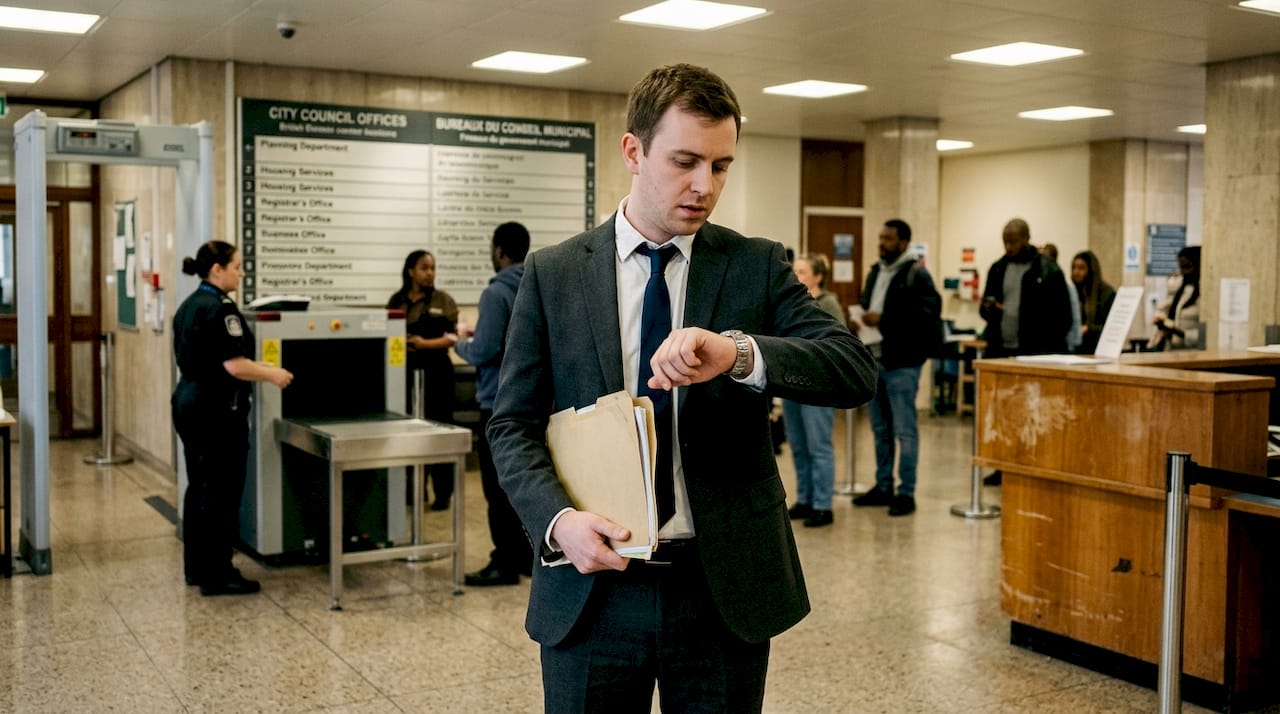
Communication strategy determines how officers perceive your credibility. Speaking clearly, honestly, and consistently without over-explaining or memorising scripts creates authentic interactions. Practice answering common questions aloud, but focus on natural conversation rather than rehearsed speeches. If you don’t understand a question, ask for clarification rather than guessing. Brief pauses while you gather thoughts appear more credible than rushed, rambling responses.
Pro tip: Record yourself answering practice questions on your phone. Listening back reveals filler words, unclear explanations, and nervous habits you can correct before the actual interview.
Essential preparation checklist:
- Review your entire visa application and supporting documents line by line
- Organise all required papers in logical, easily accessible categories
- Verify financial statements cover the required period with consistent balances
- Prepare clear explanations for any gaps in employment or education
- Practice speaking about your plans confidently without memorisation
- Plan your route to arrive early and dress appropriately
The UK visa interview tips resource provides additional guidance on handling unexpected questions and maintaining composure throughout the process.
What to expect from different UK visa interviews
Interview focus varies dramatically depending on your visa category. Understanding these differences helps you tailor preparation to address the specific concerns officers will prioritise. Each visa type carries distinct risk factors and compliance requirements that shape questioning strategies.
Visitor visa interviews typically last 10 to 20 minutes and concentrate on your travel intentions. Officers want to know your exact itinerary, who you’re visiting, where you’ll stay, and how you’ll fund the trip. Visitor visa questions focus on travel purpose, finances, ties to Turkey including job, family, and property, accommodation arrangements, and return intent. Expect detailed questions about your employment status, family circumstances, and property ownership in Turkey. These questions assess whether you have compelling reasons to return home rather than overstaying.
Student visa credibility interviews run 15 to 30 minutes and test your genuine student status. Student visa interviews assess course knowledge, university choice rationale, funding sources, post-study plans, and ties to home. Officers will ask why you chose your specific course, how it relates to previous education or career goals, and what you plan to do after graduation. They scrutinise funding carefully, wanting to see that your financial sponsor has legitimate income sources and that funds have been held consistently for required periods. Vague answers about course content or unrealistic career plans raise suspicion.
Skilled worker visa interviews last 20 to 45 minutes and delve into employment details. Skilled worker interviews examine job duties, salary meeting the £41,700 minimum from 2025, sponsor details, qualifications, and immigration history. Officers verify that you understand your role responsibilities, that your qualifications match job requirements, and that your employer is a legitimate sponsor. They’ll ask about your company’s business activities, your reporting structure, and specific projects you’ll work on. Immigration history matters here too, particularly any previous UK visa refusals or compliance issues.
| Visa type | Interview duration | Primary focus areas | Key documents reviewed |
|---|---|---|---|
| Visitor | 10-20 minutes | Travel plans, finances, home ties | Bank statements, employment letter, accommodation booking |
| Student | 15-30 minutes | Course knowledge, funding, post-study intent | CAS, financial evidence, academic transcripts |
| Skilled worker | 20-45 minutes | Job details, salary, sponsor legitimacy | CoS, employment contract, qualifications |
Regardless of visa type, all interviews assess document consistency and home country ties. Officers cross-reference your verbal answers against written submissions, looking for discrepancies. They evaluate whether your stated plans align with your financial capacity, educational background, and personal circumstances. The UK visa types guide explains these requirements comprehensively, helping you understand exactly what each category demands.
Common questions across all visa types:
- Why do you want to visit, study, or work in the UK specifically?
- How will you fund your stay and what evidence supports this?
- What ties do you maintain in Turkey that ensure your return?
- Have you applied for UK visas previously and what were the outcomes?
- What are your detailed plans during and after your UK stay?
Common pitfalls and expert tips for Turkish UK visa interview success
Transparency about previous immigration history protects your application more than any attempted concealment. If you’ve been refused a UK visa or any other country’s visa previously, acknowledge it immediately when asked. Officers already have access to this information through shared databases. Prior refusals and large unexplained deposits combined with weak home ties lead to refusals, whilst nervousness, inconsistencies, and hiding history trigger additional scrutiny. Attempting to hide refusals results in automatic rejection plus potential deception bans.
Financial documentation requires particular attention. Officers scrutinise bank statements for consistency, looking at balances over three to six months rather than just final amounts. Sudden large deposits immediately before application raise suspicion unless you provide clear source documentation. If family members are funding your trip or studies, include their bank statements, employment letters, and a sponsorship letter explaining the relationship and their willingness to support you financially.
Nervous behaviours undermine otherwise strong applications. Fidgeting, avoiding eye contact, speaking too quickly, or providing rambling answers suggest you’re hiding something even when you’re simply anxious. Practice maintaining steady eye contact, sitting still, and pausing briefly before answering to collect your thoughts. Officers understand applicants feel nervous, but extreme anxiety patterns trigger additional questioning.
Pro tip: If you’re refused, don’t wait months to reapply. Address the specific refusal reasons immediately with corrected or additional documentation. Quick, well-prepared reapplications often succeed because they demonstrate you’ve taken officer feedback seriously.
Demonstrating ties to Turkey requires concrete evidence beyond verbal claims. Employment contracts showing permanent positions carry more weight than temporary work arrangements. Property ownership documentation, particularly for homes rather than investment properties, proves you have assets anchoring you to Turkey. Family ties matter too, especially if you’re financially responsible for dependents or caring for elderly parents. Bring marriage certificates, birth certificates for children, or medical documents showing family members who rely on you.
Consistency between documents and verbal answers cannot be overstated. If your employment letter states you earn a specific salary, your bank statements must reflect corresponding deposits. If your accommodation booking shows a two week stay, your return flight should align with that timeframe. Officers notice even small discrepancies and will probe them extensively. Review all documents together before your interview to ensure everything tells the same story.
“The difference between approval and refusal often comes down to preparation quality rather than applicant credentials. Strong candidates fail through poor presentation whilst weaker profiles succeed through meticulous documentation.”
Critical mistakes to avoid:
- Hiding previous visa refusals or immigration violations
- Presenting bank statements with unexplained large deposits
- Providing vague answers about employment, studies, or travel plans
- Showing inconsistencies between documents and verbal explanations
- Failing to demonstrate compelling ties to Turkey
- Over-explaining simple questions or appearing defensive
The skilled worker visa guide offers detailed strategies for Turkish professionals navigating these complexities, including sector-specific advice for common occupations.
How Metin.London can help with your UK visa interview preparation
Navigating UK visa requirements becomes significantly easier with expert guidance tailored to Turkish applicants. Metin.London specialises in supporting individuals through every stage of the visa process, from initial application preparation through interview readiness. As an Immigration Advice Authority regulated service, we provide comprehensive support across multiple visa categories including skilled worker, student, family, and visitor visas.
Our UK visa and recruitment services include detailed document review, interview preparation sessions, and application strategy consultations. We help you organise supporting evidence effectively, identify potential weaknesses in your application, and develop clear, confident communication strategies for interviews. For skilled professionals, our expertise extends to job placement assistance and employer sponsorship coordination. The UK immigration interview expectations guide walks you through exactly what officers assess and how to present yourself effectively. Turkish professionals benefit particularly from our skilled worker visa guide for Turkish professionals, which addresses sector-specific requirements and cultural considerations that affect application success. Whether you’re applying independently or need comprehensive support, our regulated advisers ensure your application meets current Home Office standards whilst presenting your circumstances in the strongest possible light.
Frequently asked questions
How long do UK visa interviews typically last?
Interview duration depends on your visa category and application complexity. Interviews last 10 to 45 minutes depending on visa type, with visitor interviews typically completing in 10 to 20 minutes, student interviews running 15 to 30 minutes, and skilled worker interviews extending 20 to 45 minutes. Turkish applicants generally experience standard length interviews unless specific concerns require additional clarification. Complex cases involving previous refusals or unusual circumstances may extend beyond typical timeframes.
What documents should I bring to my UK visa interview?
Bring your passport, visa application confirmation, comprehensive financial evidence covering three to six months, and employment or enrolment letters demonstrating your current status. Include accommodation booking confirmations, proof of ties to Turkey such as property deeds or family documents, and any correspondence from your sponsor or educational institution. For family visa applicants, property inspection report guidance explains additional documentation that strengthens applications. Organise everything logically in clearly labelled folders so you can locate specific items quickly when officers request them.
How can I demonstrate strong ties to Turkey during the interview?
Present concrete evidence of stable employment through permanent employment contracts showing your position, salary, and tenure with your current employer. Property ownership documentation, particularly for residential properties where you live rather than investment holdings, proves significant financial ties. Explain detailed family commitments including dependent children, elderly parents requiring care, or a spouse with established career in Turkey. Your return plans should include specific timelines, continuing employment arrangements, and ongoing responsibilities that require your presence in Turkey after your UK visit or study period concludes.
Is it necessary to memorise answers for the interview?
Memorising answers creates robotic responses that undermine authenticity and raise officer suspicion. Instead, speak clearly, honestly, and consistently without over-explaining or memorising scripts, focusing on natural conversation that demonstrates genuine knowledge of your circumstances. Practice discussing your plans, course details, or employment responsibilities until you can explain them conversationally without rehearsed speeches. Officers recognise memorised answers immediately and will ask follow-up questions to test whether you truly understand the information you’re presenting. Authentic, thoughtful responses build far more credibility than perfect but artificial answers.